Product Description
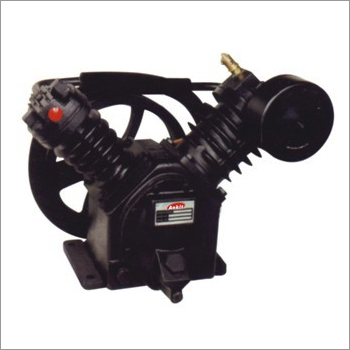
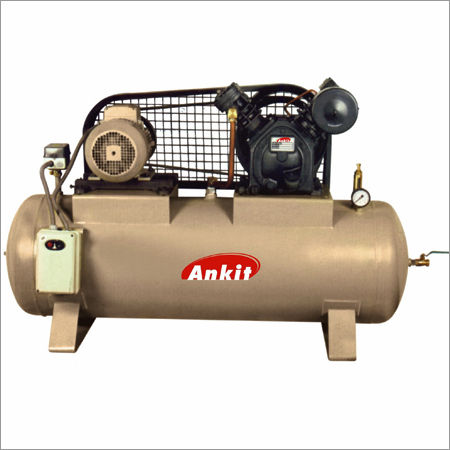
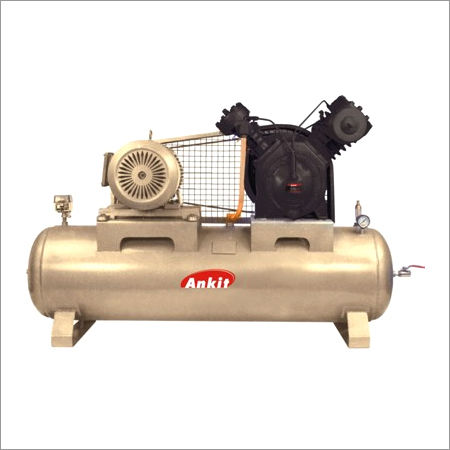
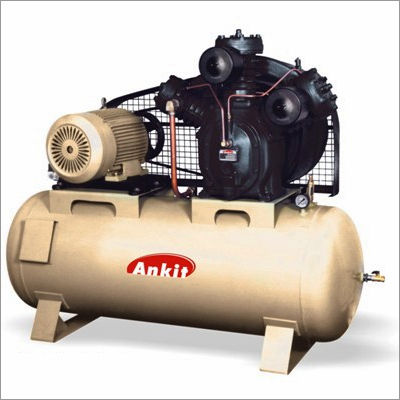
Assisted by a qualified workforce and advanced manufacturing unit, we are engaged in manufacturing, exporting and supplying a wide range of Heavy Duty Compressor. Our offered compressor is manufactured with high quality raw material and advanced manufacturing techniques under our expert's guidance. Provided compressor has been specially designed for increasing pressure of gas by decreasing volume. Further, clients can avail this Heavy Duty Compressor from us at economical prices.
General Product Features:
- Low power consumption
- Sturdy construction
- Long service life
- Trouble-free functionality
Technical Details:
| Horse Power | 5 HP |
| Compressor Type | Air Compressor |
| Number of Compression Stages | Single Stage,Two Stage |
| Compressor Technology | Reciprocating |
| Compressor Brand | Ankit |
FAQs
What happens if compressor runs continuously?
Only air compressors with a duty cycle of 100% are able to operate continuously at the required pressure and flow. Excessive use of an air compressor results in early wear and, in the worst cases, breakdowns that can halt output.
Can you damage a compressor?
Mechanical Injury
Mechanical failure is a significant contributor to compressor damage, as is poor system maintenance, such as failing to change the inside air filters or allowing dirt and debris to accumulate on the indoor or outdoor condenser coils.
What kills a compressor?
Refrigerant loss is the main cause of a compressor's premature demise. An air conditioner's refrigerant level is specifically calibrated to function with the compressor. If the AC loses refrigerant through leaks, the imbalance will eventually cause the compressor to overheat.
Superior Performance for Demanding EnvironmentsDesigned for rugged use, this compressor is perfect for heavy-duty tasks in industrial settings, automotive garages, and construction projects. Its 200-liter tank, 3 HP motor, and efficient air-cooling system ensure continuous operation with minimal downtime. The built-in mobility wheels allow for easy relocation despite its substantial weight, ensuring flexibility on busy worksites.
User-Centric Features and Proven ReliabilityEquipped with an automatic start/stop system, this compressor reduces manual intervention and ensures consistent performance. The oil-lubricated, belt-driven mechanism not only extends the lifespan of internal components but also decreases maintenance frequency. Critical safety elements such as the pressure gauge, safety valve, and drain valve further facilitate secure and trouble-free usage.
FAQs of Heavy Duty Compressor:
Q: How do I install and set up the heavy duty compressor in my workshop?
A: Begin by positioning the compressor on a solid, level surface using its base-mounted feet. Utilize the fitted mobility wheels to move it if necessary. Ensure a nearby electrical outlet with a single-phase connection (220240V, 50Hz, 2.2 kW). Connect the air hose to the 1/2 inch outlet, check that all safety features are in place, and follow the user manual for initial oil filling and automatic start/stop system settings.
Q: What applications is this compressor best suited for?
A: This compressor is specifically designed for industrial workshops, garages, and construction sites where high, continuous air output is needed. It is ideal for powering pneumatic tools, spray painting, tire inflation, and other tasks requiring robust and reliable air supply.
Q: When should I perform maintenance on the compressor, and what does it involve?
A: Routine maintenance should be conducted every 500 operating hours or as indicated in the manual. Maintenance tasks include checking oil levels, cleaning or replacing the air filter, draining the tank via the drain valve, and inspecting the belt and safety valve for optimal performance and safety.
Q: Where can this compressor be transported and positioned for optimum operation?
A: Thanks to its fitted mobility wheels, the compressor can be easily moved to various locations within your facility or to different sites, provided theres access to a suitable electric power source and proper ventilation. Ideally, place it in a dry, well-ventilated area away from direct heat sources.
Q: What is the process for achieving maximum performance from this compressor?
A: Ensure all connections are secure, the oil reservoir is filled, and the unit is plugged into a compatible power outlet. The automatic control system will start and stop the compressor as needed, maintaining the set pressure up to 10 Bar. Regularly monitor gauges and perform routine maintenance to keep the compressor running at its best.
Q: How does using this compressor benefit industrial operations?
A: This compressor delivers a high flow rate (300 L/min) and substantial pressure capacity (10 Bar), enabling efficient, reliable use of air-powered tools and equipment. Its durable cast iron build, mobility wheels, and user-friendly controls ensure both long-term resilience and operational flexibility.





 Send Inquiry
 Send Inquiry
 Send SMS


